
Are GLP-1s Changing How Teenagers Think About Their Body Image?
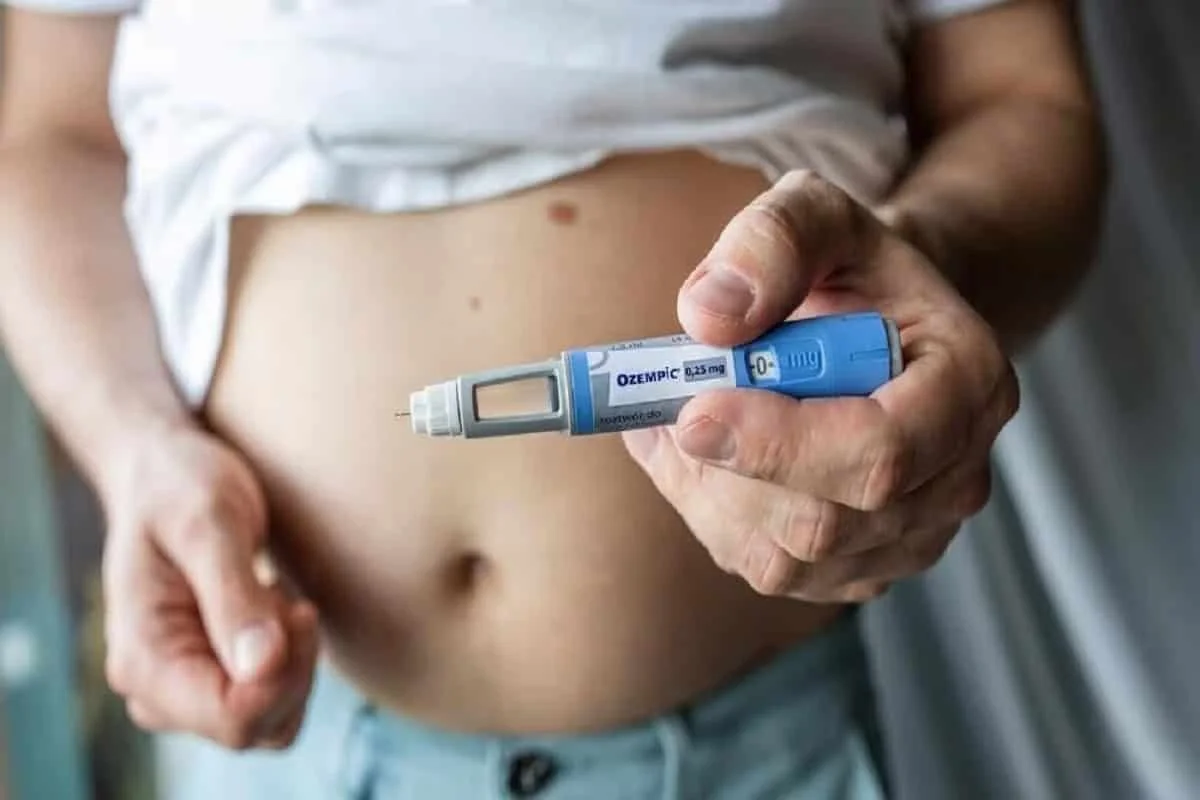
In the last decade, teenagers have been taught body positivity and what it means for one to love their body. This is spread all over social media, as there are campaigns to promote body positivity, and celebrities openly have been speaking out about unrealistic body image. However, there is a new trend that is changing the message: GLP-1 medications.
According to the National Library of Medicine, synthesized and discovered by Joel Habener and Svetlana Mojsov, GLP-1’s were developed to treat certain medical conditions, one being Type 2 Diabetes. Now they are commonly used among many women as a weight-loss treatment.
In all, the problem is not the GLP-1s; rather, it is how teenagers may interpret and learn about the culture of this medicine. Currently, it is easy for a teenager to scroll through social media and see different promotions of this drug, like before-and-after photos of celebrities whose bodies change due to the drug. Rather than teenagers seeing GLP-1s as a drug prescribed for certain medical conditions, they simply think that smaller is better.
To better understand how teenagers view “public” image, when interviewing a group of teens ages fifteen to seventeen, two questions were asked: Do you think teenagers today feel pressured to look a certain way, why or why not, and do you think teenagers see GLP-1s, such as Ozempic, as a medical treatment or a weight loss tool, and why? For the first question, 100% of the teenagers said yes. Everyone connected the pressure back to social media or their friends and how they put pressure on teenagers to look a certain way. Peer comparison was a large topic pertaining to this question. Regarding the second question, the overall consensus was a weight-loss tool. Many talked about social media and how GLP-1s are advertised or portrayed on social media. Several of them identified celebrities and major influencers as examples of how GLP-1s are advertised to everyone.
From this, the conclusion is that GLP-1's have a genuine medical purpose and save many lives when prescribed by a healthcare professional. The issue is not the medication; it’s the culture around it and how it is portrayed online. The growth of this medication is concerning, as teenagers already feel the need to change due to social pressures; now they have to deal with the pressure of celebrities using these weight loss medications.
Teenagers should understand the intended use of these GLP-1s and not see them as a shortcut that can help you fit into society's definition of the “perfect body”. Social media, and adults (educators and parents), should all play a role in making sure that teenagers fully understand the use of this medication and the difference between it being a medication and a weight-loss treatment. Body standards should not change just because we have developed new ways of achieving them faster.